


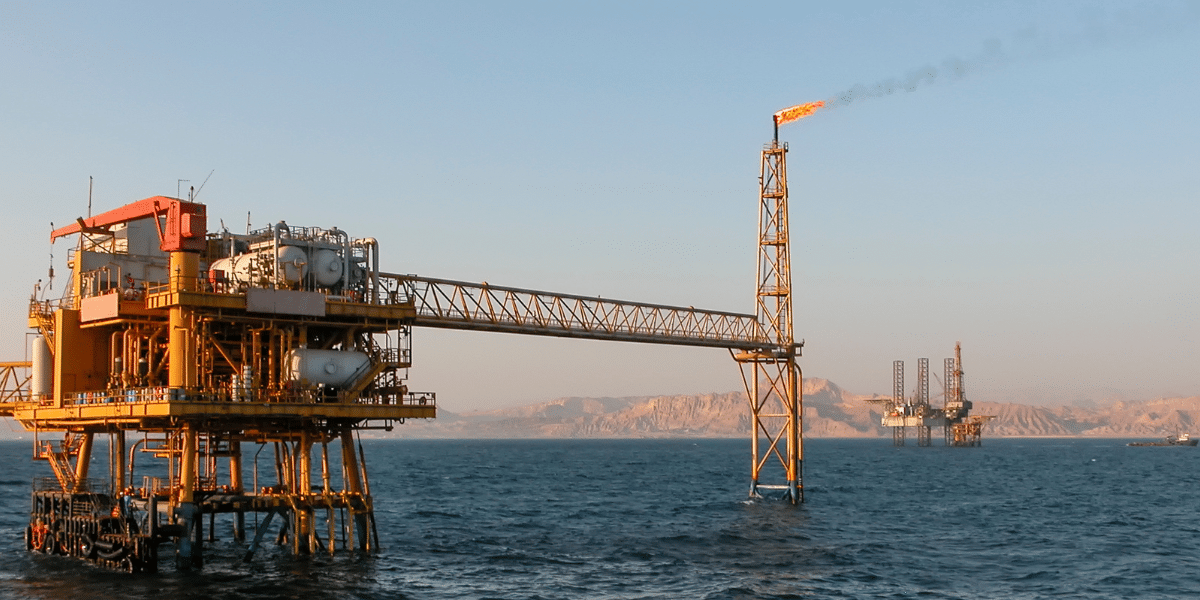
Production problems are rarely surface issues; they almost always start downhole. Scale, corrosion, and asphaltenes develop out of sight and cause trouble long before anyone sees it at surface. At deep water conditions you can also include paraffin and hydrates. As a result, chemicals injected at surface often never reach the zone where the problem starts Overtime the situation can become horrible and the treatment at the surface may never be enough. As everyone says: As the “wellbore chemical treatment” is bent, so grows the production.
That’s usually when the question comes up: What is downhole injection, and how does it actually work?
What is Downhole Injection?
Downhole injection is the delivery of production chemicals directly into the wellbore at a defined depth instead of relying only on surface injection. When the goal is precise placement of chemistry at a specific problem zone, this is often called downhole chemical injection.
The idea is simple: put the chemistry where the problem starts, not after damage has already occurred.
Downhole injection is commonly used for corrosion inhibitors, scale inhibitors, paraffin and asphaltene treatments, demulsifiers, biocides, and other Oilfield Production Chemicals where placement matters.
How Does Downhole Injection Work?
Downhole injection uses delivery paths to move chemical below surface restrictions and into the active part of the well. Here are some common methods :
- Capillary injection systems
- Tubing conveyed injection points
- Chemical injection mandrels or subs
- Batch or squeeze treatments into the formation
With continuous systems, chemical is pumped from surface through a small diameter line to a set depth. This allows operators to hold a consistent chemical injection rate even when backpressure changes, gas interference shows up, or production rates shift.
Batch and squeeze treatments are used when continuous delivery is not practical. Placement depth and fluid compatibility still control whether those treatments work or not.
Surface Injection vs. Downhole Injection in Production Wells
Surface injection has its benefits. Some problems may appear only during transportation through the pipes during cold weather, demulsifiers only needed just before primary separators, higher doses of corrosion inhibitor for upstream equipment etc. The application of chemicals in the specific streams (oil, gas or water) is important and can avoid partition and interaction with other fluids.
What the eyes don’t see, the pressure profile shows. As commented before, several critical situations – that can cause well abandonment – happen where you can’t see, underground. Sometimes you can see the problem at the surface as a lot of sand and a hydrate plug. Sometimes you can only monitor the situation, predict, remediate or even better, prevent. And the prevention is done by downhole injection. Think with your buttons, would you prefer prevent a plug due to paraffins, asphaltenes or hydrate deposition or stop your production to try remove it?
Most operators prefer to prevent. They use downhole continuous injection or downhole bath treatment. Each method has advantages and depends of the strategy and capability.
Downhole chemical injection is used across several common production challenges including, but not limited to:.
Corrosion control
Placing corrosion inhibitors downhole protects tubing, casing, and downhole equipment before corrosive fluids reach surface.
In many artificially lifted wells, corrosion shows up as localized damage near pump intakes or high-shear areas. Surface only treatment often leads to uneven coverage, tubing pulls, and deferred production. Downhole injection places inhibitors at the risk zones and helps extend tubing run life.
Scale prevention
Scale inhibitors injected downhole stop crystal growth before deposits restrict flow or plug perforations.
Paraffin and asphaltene management
Treating wax and heavy hydrocarbons before critical temperature and pressure helps prevent deposition instead of reacting after restrictions form.
Water and emulsion control
Demulsifiers injected at depth can start separation of difficult emulsions earlier in the production stream and reduce downstream upsets.
These applications are typically part of broader Specialty Chemicals programs built around how the well actually behaves.
Chemical Injection Rate
Downhole injection does not remove the need to control chemical injection rate. It makes it more important.
Too little chemical and protection fails. Too much and operators deal with emulsion problems, wasted product, or unnecessary cost. Effective programs will align the following:
- Chemical injection rate
- Injection depth
- Produced fluid chemistry
- Temperature and pressure profile
- Flow regime
- Products compatibility
Laboratory Solutions help set starting points. Field data then drives adjustments. Rates that worked six months ago may not work today. One practical reminder: more chemical is not always better.
What Operators Need to Consider in the Field
Downhole chemical injection systems are not something you can set and forget. Field considerations include:
- Material selection based on CO₂, H₂S, and chloride exposure
- Installation method tied to lift type and well condition
- Monitoring pump pressure and injection integrity
- Adjusting chemical injection rate as production changes
Poor design or mismatched chemistry leads to plugged lines, failed strings, or treatments that never reach target depth. (This is where experience in Well Intervention and production chemistry matters.)
Why Downhole Injection Lines Fail
Most failures come from chemistry and operating conditions, not the hardware itself. Low chemical injection rates, temperature swings, incompatible solvents, failure to check product stability at the delivery conditions or poor material selection can lead to precipitation, internal corrosion, or line plugging over time.
The injection line needs to be treated as part of the chemical system, not a separate piece of equipment.
How Imperative Supports Downhole Injection Programs
Applied correctly, downhole chemical injection reduces intervention and helps protect production assets over the life of the well.
Imperative Chemical Partners supports downhole injection anchored by Subject Matter Experts, holistic reservoir and production evaluation, chemistries tested for each specific well conditions, services and equipment to support our operations and continuous monitoring. Our support focuses on Oil Recovery and production systems, backed by Oilfield & Gas field Production Chemicals built for downhole conditions, and field teams familiar with installation and long term operation.